







The Problem: Why FP8 Destroys Standard LoRA
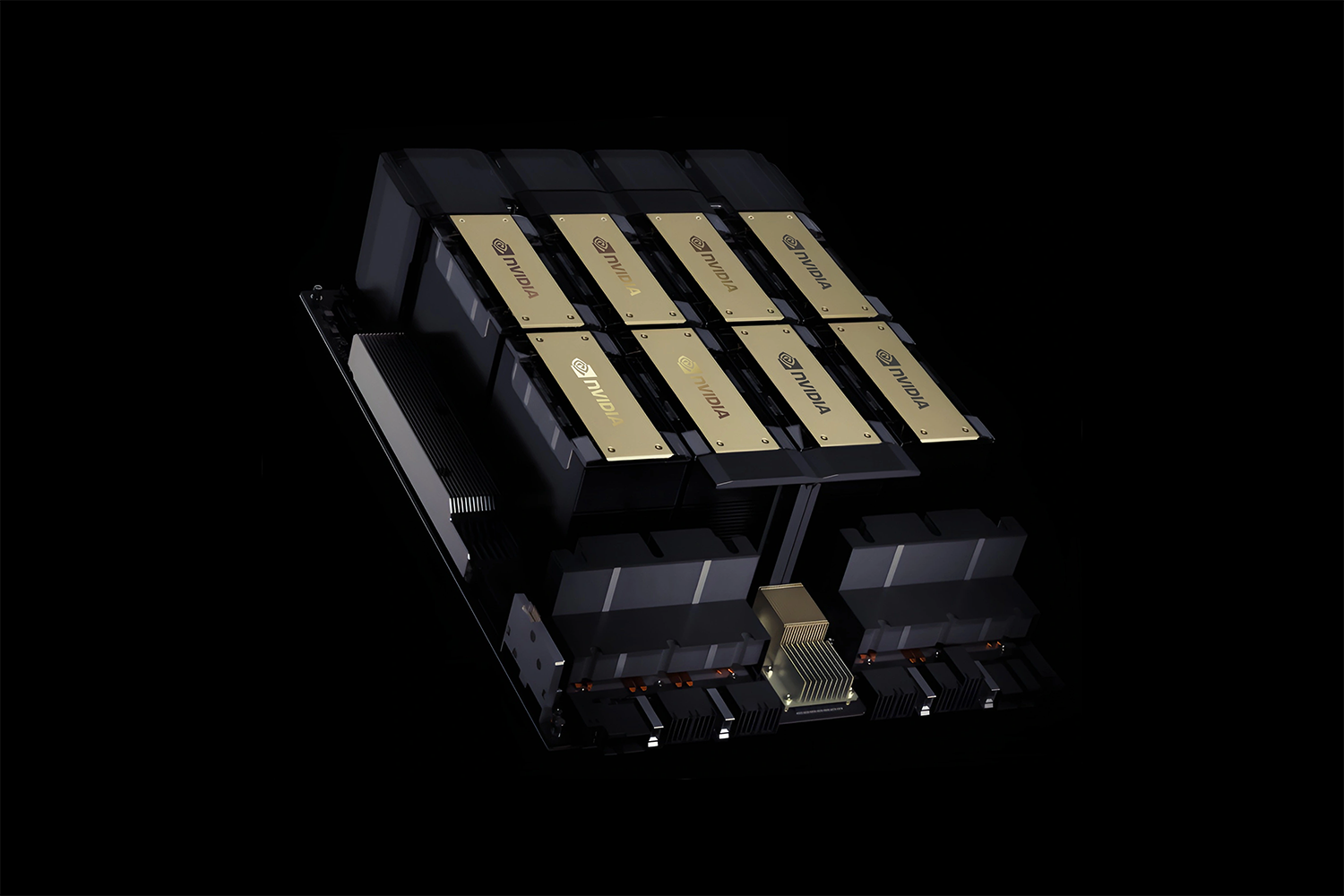
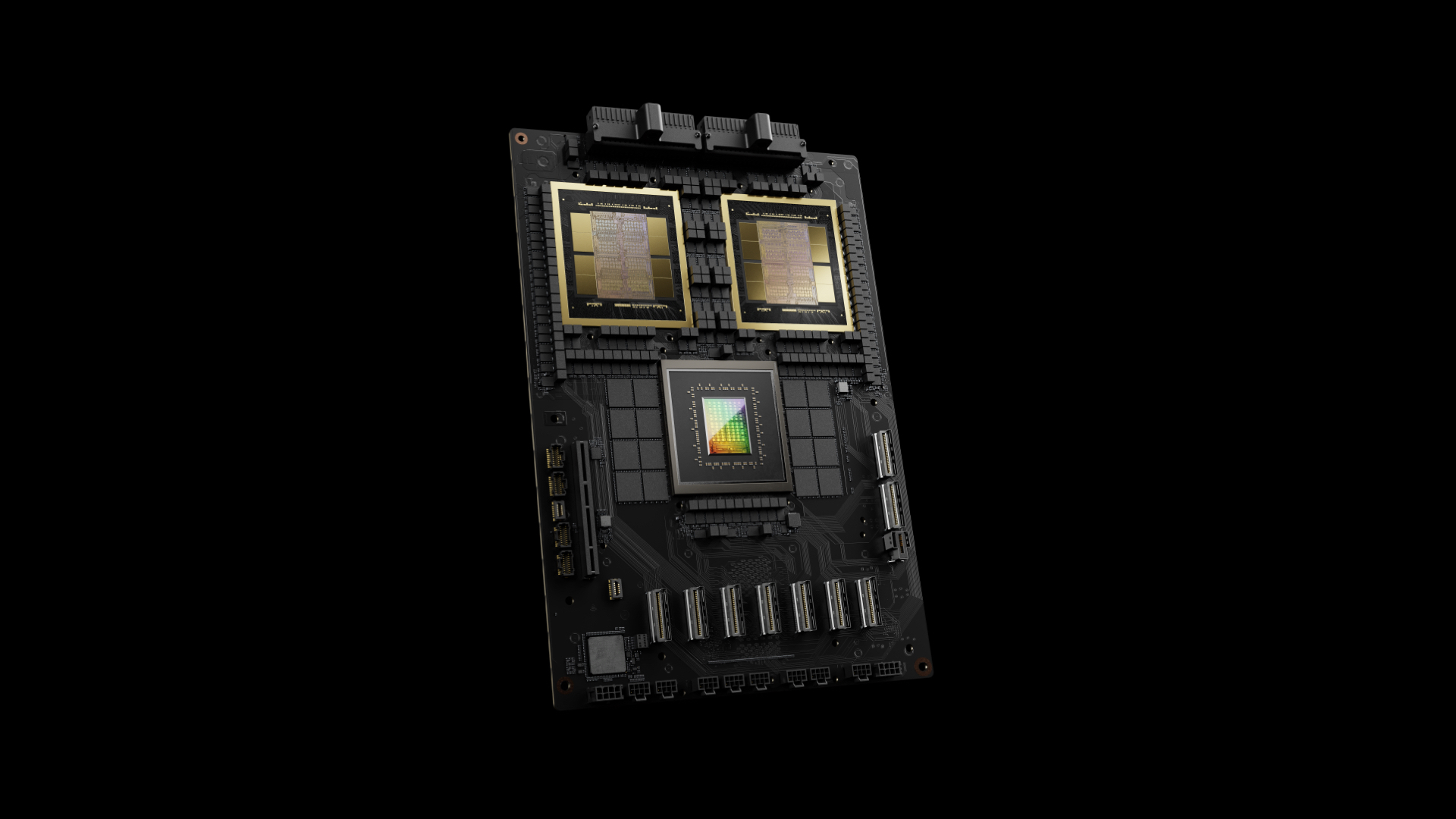
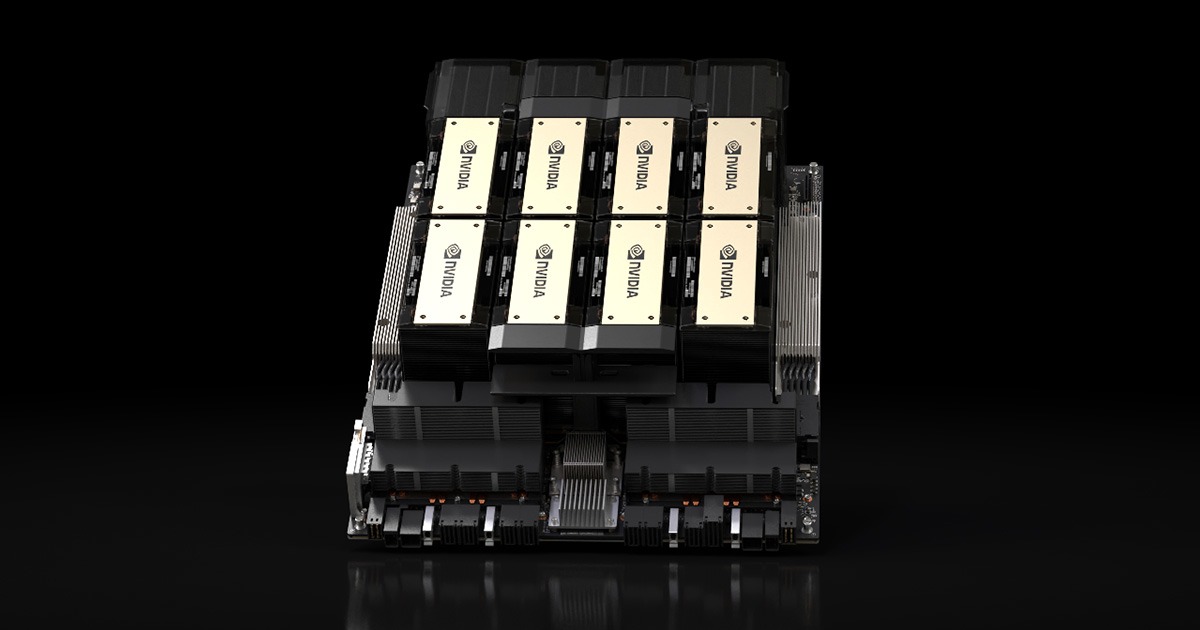
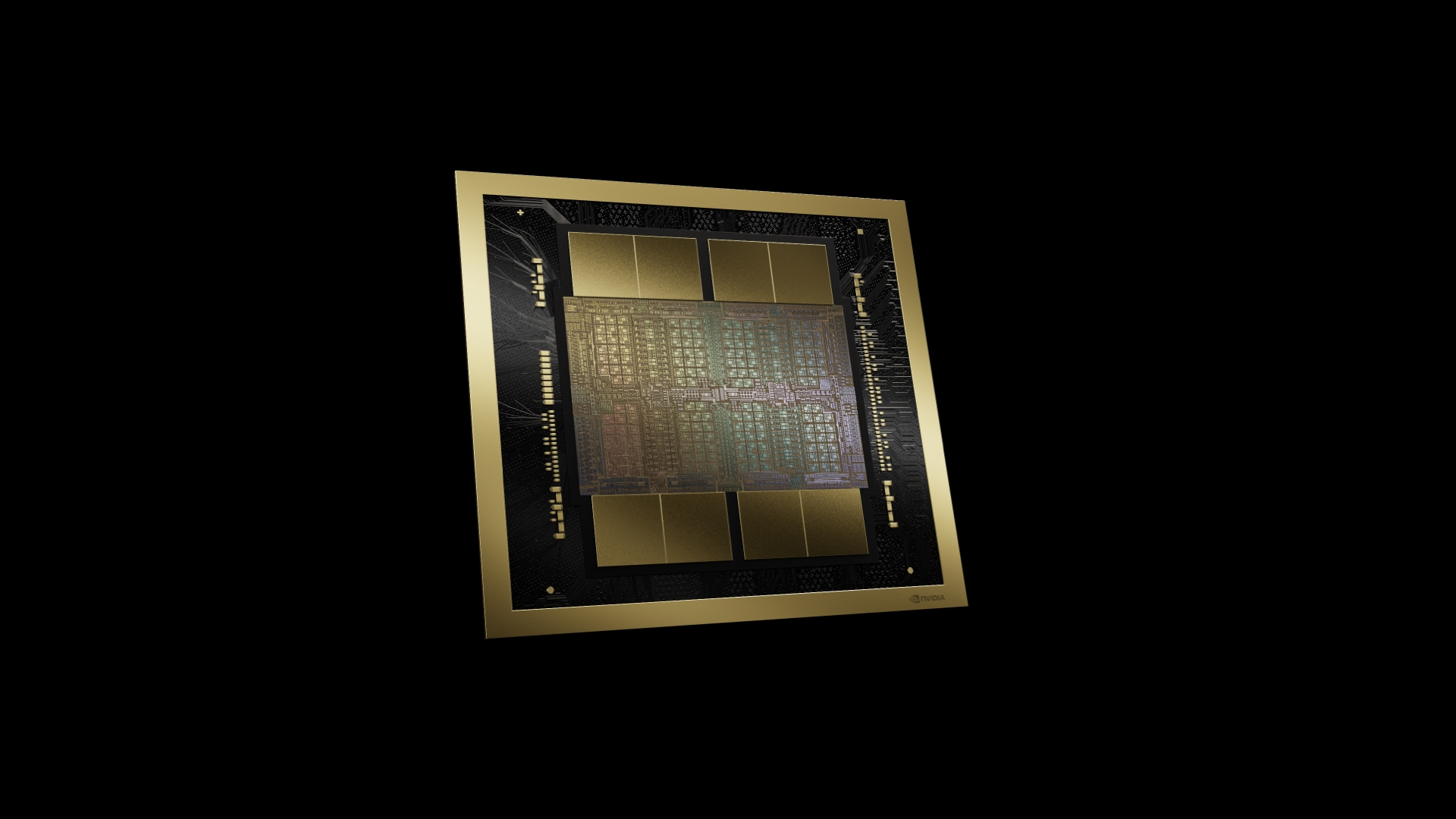
NVIDIA's Hopper and Blackwell architectures support native FP8 computation, 2–3× faster training at a fraction of the memory cost. Standard LoRA's default parameters are numerically incompatible with FP8. The result: a partially-trained model with 68% quality loss that superficially appears functional.
Standard LoRA FP8 val loss: 3.3412. Quality degradation: 68.2%. Unusable.
LINEAGE · IJCNN 2010 · TU KOŠICE
The Koščák Gamma Theorem
The theorem derives the exact stability constraint that standard LoRA violates. KSS-LoRA is designed to satisfy it, reducing FP8 degradation from 68% to 5.2%. The same constraint extends to FP4-class Blackwell precision targets, which KSS-LoRA satisfies by design.
| Method | BF16 Loss (A100) | FP8 Loss (H200) | Degradation |
|---|---|---|---|
| Standard LoRA | 1.9861 | 3.3412 | 68.2% |
| KSS-LoRA | 1.5051 | 1.5831 | 5.2% |
Full theorem and derivation in the preprint now in preparation.
Research lineage. The stochastic-update technique underpinning KSS-LoRA originates from the Technical University of Košice, Department of Cybernetics & AI: Dr. Koščák's IEEE WCCI 2010, SCIS & ISIS 2014 (Japan), and the 2012 monograph (ISBN 3659231029), under Prof. Peter Sinčák. The same mechanism was independently rediscovered as DropLoRA (2025) without citing the original Slovak work. KSS-LoRA's specific contribution is the FP8/FP4 stability proof, the Koščák Gamma Theorem, connecting the 2010 method to reduced-precision transformer training.